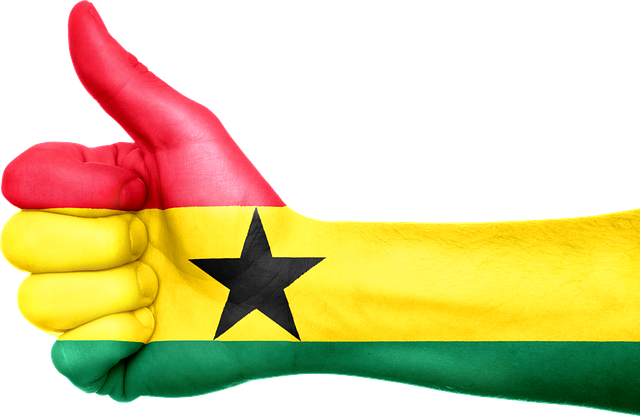
Over the last two decades, Ghana has evolved into a model for political and economic reform in Africa, as well as a beacon of progress, democracy and stability.
As the first place in sub-Saharan Africa where Europeans arrived to trade, Ghana later became the first nation in the region to achieve independence from a colonial power – in this case Britain – and following years of mostly-military rule, the 1992 constitution that allowed for a multi-party system ushered in a new era of democracy.
Today it is one of most stable countries on the continent thanks to its good performance on democratic governance, arising from its strong multi-party political system, growing media pluralism and strong civil society activism. The positive effects of improvements in governance, the effectiveness of public institutions, as well as persistent economic growth have also resulted in Ghana attaining the status of a lower middle income country, according to the World Bank.
One of the Africa’s fastest growing economies, Ghana is expected to maintain robust growth over the medium term, bolstered by improved oil and gas production, increased private-sector investment, improved public infrastructure development and sustained political stability. The country continues to be the world’s second largest cocoa producer behind Ivory Coast, Africa’s biggest gold miner after South Africa, as well as the continent’s newest oil producer.
Aside from its notable economic growth, Ghana has also made impressive gains in the area of social development, making substantial progress in meeting the World’s Bank’s Millennium Development Goals. Targets for the reduction of extreme poverty and access to safe drinking water have been achieved, while other objectives on hunger, education and gender are well on track.
This extract is from: http://www.theworldfolio.com/news/john-dramani-mahama-president-of-ghana/3476/
 Mina The Legend